Reliable General Contractor: Turning Dreams Into Actuality
A dependable general contractor plays a pivotal role in turning architectural concepts into physical structures. By controlling timelines and budgets, they make sure projects advance smoothly. Their expertise fosters a collaborative environment, vital for reducing risks. However, not all contractors are created equal. Understanding how to identify the right one is key for any successful project. What important qualities should one look for, and how can they impact the overall outcome?
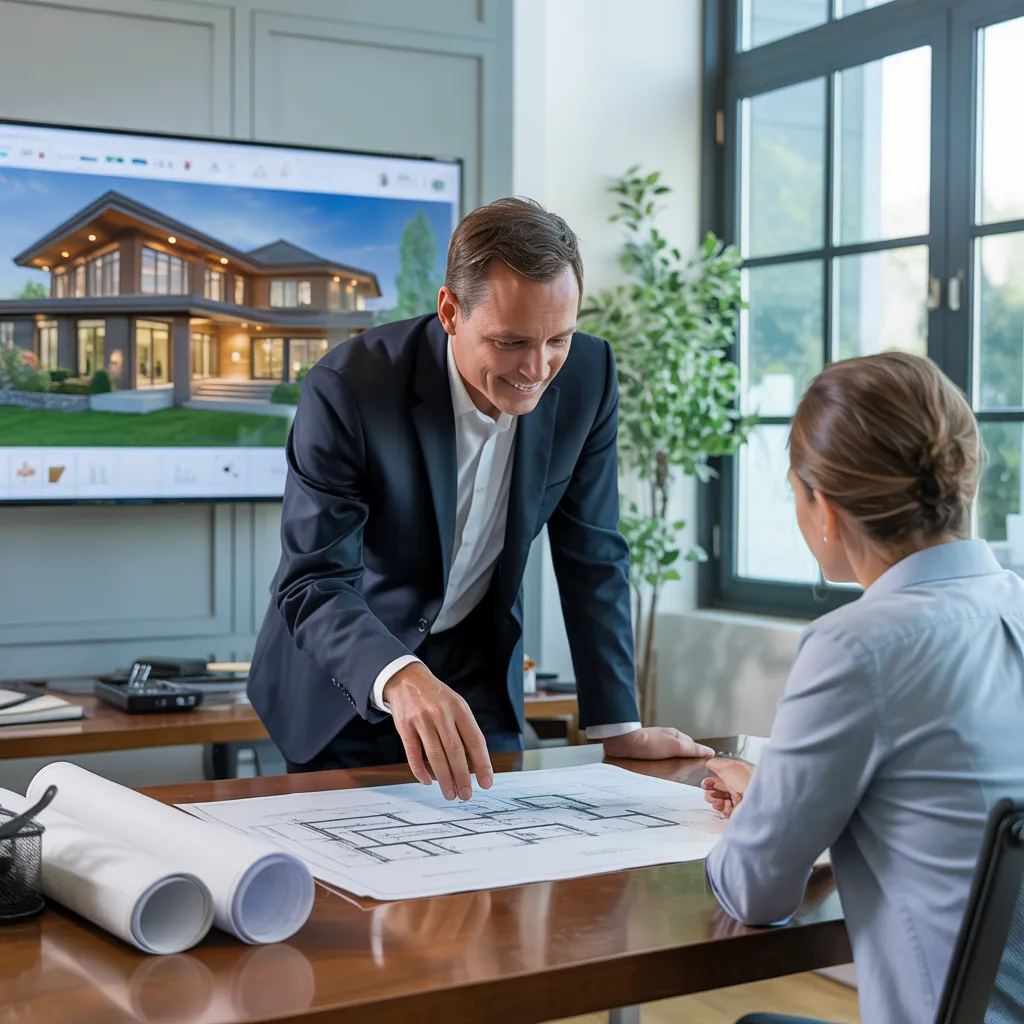
How Can You Determine a Reliable General Contractor?
Can someone assess the reliability of a general contractor? Reviewing a contractor's track record is essential. An effective technique entails seeking referrals from friends, family, or online reviews, which provide information regarding previous work and client satisfaction. Also, confirming proper licensing and insurance confirms that the contractor complies with sector guidelines and protects against foreseeable issues. Inspecting completed projects, by reviewing work samples or on-site inspections, enables you to measure the standard of their workmanship.
Furthermore, getting multiple estimates enables comparison of pricing and construction timelines, revealing any inconsistencies that may indicate unreliability. Strong dialogue is an additional critical element; a trustworthy builder should be attentive and clear in their interactions. Finally, checking references can provide useful insights about a contractor's work ethic and dependability. By adhering to these guidelines, one can make informed decisions when selecting a general contractor for building projects.
Important Features of an Outstanding General Contractor
A superior construction expert displays fundamental attributes that validate project success. Strong interpersonal skills facilitate clear dialogue with stakeholders, subcontractors, and material providers, while extensive project management experience guarantees timely and budget-conscious delivery. These attributes are crucial in converting concepts into tangible results.
Strong Dialogue Skills
While solid project management is essential for a general contractor, strong communication skills often serve as the cornerstone for successful collaborations. These skills enable a contractor to clearly convey project objectives, guaranteeing that all team members and stakeholders are aligned. Strong communication builds trust, permitting for transparent discussions concerning timelines, budgets, and changes. A good general contractor carefully hears out clients, subcontractors, and suppliers, addressing concerns promptly and adapting to feedback. This two-way dialogue not only enhances problem-solving but also cultivates a positive working environment. Additionally, clear communication reduces misunderstandings, which can lead to costly delays or errors. Ultimately, strong communication skills empower a general contractor to navigate challenges efficiently, guaranteeing that projects progress smoothly from inception to completion.
Established Project Management Track Record
Demonstrating established project management experience is crucial for any general contractor aiming for success. Effective project management entails detailed planning, resource allocation, and timeline adherence. A seasoned contractor exhibits an ability to coordinate various teams, ensuring that architects, engineers, and subcontractors cooperate seamlessly. Furthermore, they skillfully handle challenges, employing problem-solving skills to keep projects on track and within budget. Their experience allows them to foresee potential issues, mitigating risks before they escalate. Additionally, strong project management fosters transparency, enabling clients to stay informed throughout the construction process. By prioritizing quality control and following safety standards, a general contractor with proven experience not only delivers exceptional results but also builds lasting relationships based on trust and reliability.
The Benefits of Hiring a Trustworthy General Contractor
Retaining a reliable general contractor affords significant benefits in any construction undertaking. Their competence and experience promise that tasks are completed to high standards, while also enhancing time and cost efficiency. This combination allows residents and corporations to emphasize their vision without the tension of project management.
Skills And Experience
Hiring a trustworthy general contractor offers a great amount of experience and know-how to any building project. Their extensive understanding of building codes, regulations, and industry standards confirms that each part of the construction process is consistent and effective. Experienced contractors have enhanced their abilities through diverse projects, enabling them to identify possible issues and implement practical solutions. Their strong connections with subcontractors and suppliers further raise the quality of materials and workmanship. Moreover, a proven general contractor possesses robust project management capabilities, overseeing timelines, budgets, and resources smoothly. This know-how not only mitigates risks but also promotes a cooperative environment, changing a client’s vision into a concrete outcome while preserving high standards across the entire construction process.
Time and Expense Optimization
A reliable general contractor significantly improves time and cost efficiency in construction projects. By coordinating multiple subcontractors and suppliers, they optimize workflows, minimizing delays and ensuring that tasks are completed on schedule. Having established relationships in the industry often results in better pricing for materials and labor, review now which lowers total project costs. Moreover, a competent contractor actively detects potential problems, enabling prompt solutions that avoid expensive delays. With their project management expertise, they ensure effective resource allocation so that labor and materials are utilized efficiently. Finally, choosing a trustworthy general contractor not only quickens project timelines but also preserves the budget, delivering clients peace of mind and trust in their investment.
Simplifying Your Venture With a General Contractor
Effective project oversight often depends on the expertise of a general contractor. By serving as the central figure in the construction process, a general contractor administers various aspects of the project, ensuring seamless communication among subcontractors, suppliers, and clients. This integrated approach reduces delays and lowers the likelihood of miscommunication, which can lead to expensive difficulties.
A lead builder streamlines the framework by establishing explicit timetables and calendars, letting all members to stay aligned with project milestones. They also possess the knowledge to anticipate hurdles, enabling initiative-based solution finding. Additionally, they manage permits and inspections, relieving the burden on end-users and maintaining compliance with local regulations.
In the end, the involvement of a proficient general contractor converts complex projects into workable duties, permitting homeowners and developers to concentrate on their vision while relishing peace of mind throughout the construction process. This cooperation encourages a more effective and successful project outcome.
Top 5 Pitfalls to Dodge When Hiring a Contractor
How can homeowners ensure they select the right contractor for their project? Avoiding common pitfalls is crucial. First, homeowners should steer clear of choosing a contractor solely based on the lowest bid. Quality often comes at a price, and a low estimate may indicate inadequate experience or hidden costs. Second, neglecting to check references can lead to selecting someone questionable or unreliable. Third, neglecting to check licenses and insurance can expose homeowners to legal and financial liabilities. Fourth, not planning project timelines in detail may result in unexpected delays and frustrations. Ultimately, homeowners often overlook the importance of clear dialogue. A contractor who doesn't listen to concerns or provide updates can create misunderstandings. By steering clear of these mistakes, homeowners can enhance their chances of selecting a contractor who will effectively bring their vision to life.
Critical Questions to Address Before Committing To a Document?
What critical considerations should homeowners reflect on before signing a arrangement with a professional? At the outset, they should question the professional's qualifications and insurance status. Legitimate credentials safeguard homeowners from potential liabilities. Following this, obtaining references and assessing past projects can furnish insight into the contractor's consistency and work quality. Homeowners should also discuss timelines—comprehending the projected start and completion dates is vital for planning.
Additionally, defining payment arrangements is essential; homeowners must be aware of the deposit required and the payment plan for subsequent payments. Moreover, homeowners should inquire about what will happen if unexpected issues arise during the project, covering order modifications and how they will be handled. Finally, understanding warranty terms on both labor and materials can deliver peace of mind. By addressing these concerns, homeowners can make informed decisions and establish a firm base for their project.
Creating a Enduring Partnership With Your General Contractor
Creating a strong rapport with a general contractor can substantially boost the overall experience of a home construction or renovation project. Effective communication is the bedrock of this relationship, fostering trust and transparency. Homeowners should focus on open dialogue, addressing goals, deadlines, and budget constraints early in the process.
Ongoing check-ins and notifications can help tackle issues efficiently, ensuring that both parties stay coordinated throughout the project. Additionally, acknowledging the contractor's expertise can strengthen mutual respect and encourage a collaborative atmosphere.
Being flexible is also crucial; recognizing that obstacles may occur can pave the way for finding solutions and adaptation. A good rapport can result in superior work, as contractors are more likely to invest additional time when they sense appreciation. In the end, a enduring relationship with a general contractor not only supports a successful project but can also generate possibilities for future collaborations.
Frequently Asked Inquiries
What Method Do General Contractors Take for Unexpected Project Changes?
General contractors coordinate unforeseen modifications by examining circumstances, consulting with relevant parties, adjusting timelines and budgets, and implementing solutions. Flexibility and problem-solving skills are essential in maintaining project momentum despite unexpected obstacles.
What Classes of Assignments Do General Contractors Commonly Direct?
General contractors typically oversee a variety of projects, such as home remodeling, commercial construction, infrastructure expansion, and custom setups. Their expertise encompasses organization, financial planning, and time management, guaranteeing timely delivery throughout varied construction types and challenges.
How Do Payment Plans Work in Conjunction With a General Contractor?
Payment schedules with a general contractor generally include initial contributions, with subsequent progress payments attached to project milestones. Final payments are finalized upon project completion, maintaining both parties remain in sync on financial commitments throughout the construction process.
Will a construction professional Help With approvals and Regulations?
A general contractor can certainly help with permits and regulations. They generally handle local building codes, file required paperwork, and guarantee legal compliance, easing the burden on property owners and preventing potential legal complications.
What unfolds if the Project exceeds the foundational Budget?
If a undertaking surpasses the original cost estimate, the builder usually conveys the causes for the increase. They may suggest adjustments, obtain client approval, and investigate budget-reducing alternatives to maintain the work on schedule.